
For many businesses, fleet vehicles are seen as long-term assets, something to “run as long as possible” to get maximum value. On the surface, that logic makes sense. In reality, there’s a tipping point where keeping a vehicle longer actually costs more than replacing it….
Mileage, maintenance, and vehicle age are the three biggest factors that determine when a fleet vehicle stops being an asset and starts becoming a liability.
Understanding where that line is can save your business thousands of dollars per vehicle every year.
Mileage: The Silent Cost Multiplier:
With the steady rise of vehicle repairs, we can see that mileage is often the first indicator that you’ll be paying double the price from years ago.
As vehicles accumulate miles:
- Fuel efficiency declines
- Wear on major components accelerates
- Repairs become more frequent and less predictable
For most commercial vehicles, operating costs begin to rise sharply once mileage reaches the 90,000–120,000 mile range, depending on use and duty cycle. Service vehicles that idle frequently or carry heavy loads often reach this threshold sooner. At higher mileage levels, even routine repairs take longer, vehicles spend more time out of service, and drivers lose productivity, an indirect cost that rarely shows up on a balance sheet.
Maintenance: From Predictable to Problematic
Early in a vehicle’s life, maintenance is straightforward: Oil changes, Tires, Brakes, Scheduled inspections
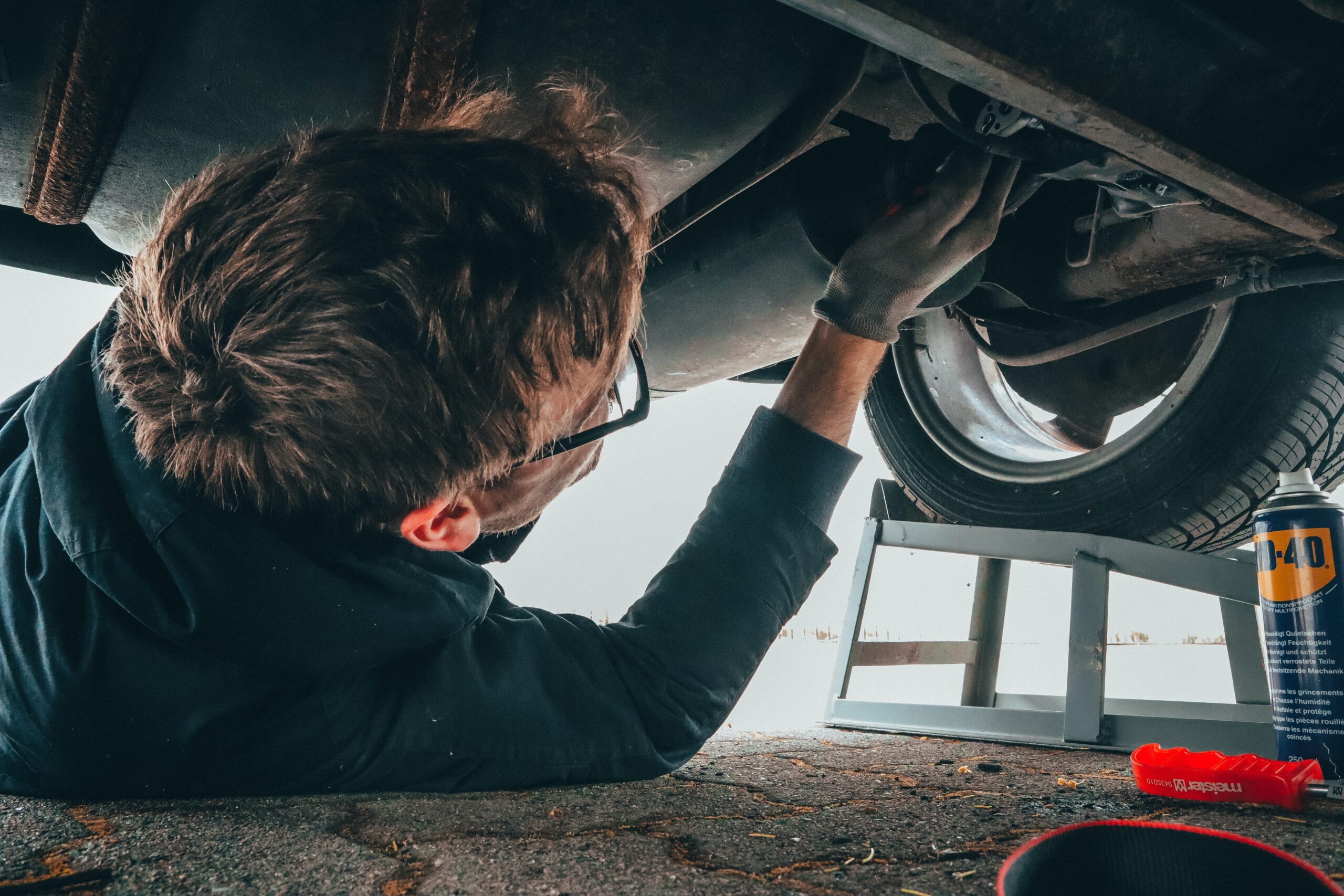
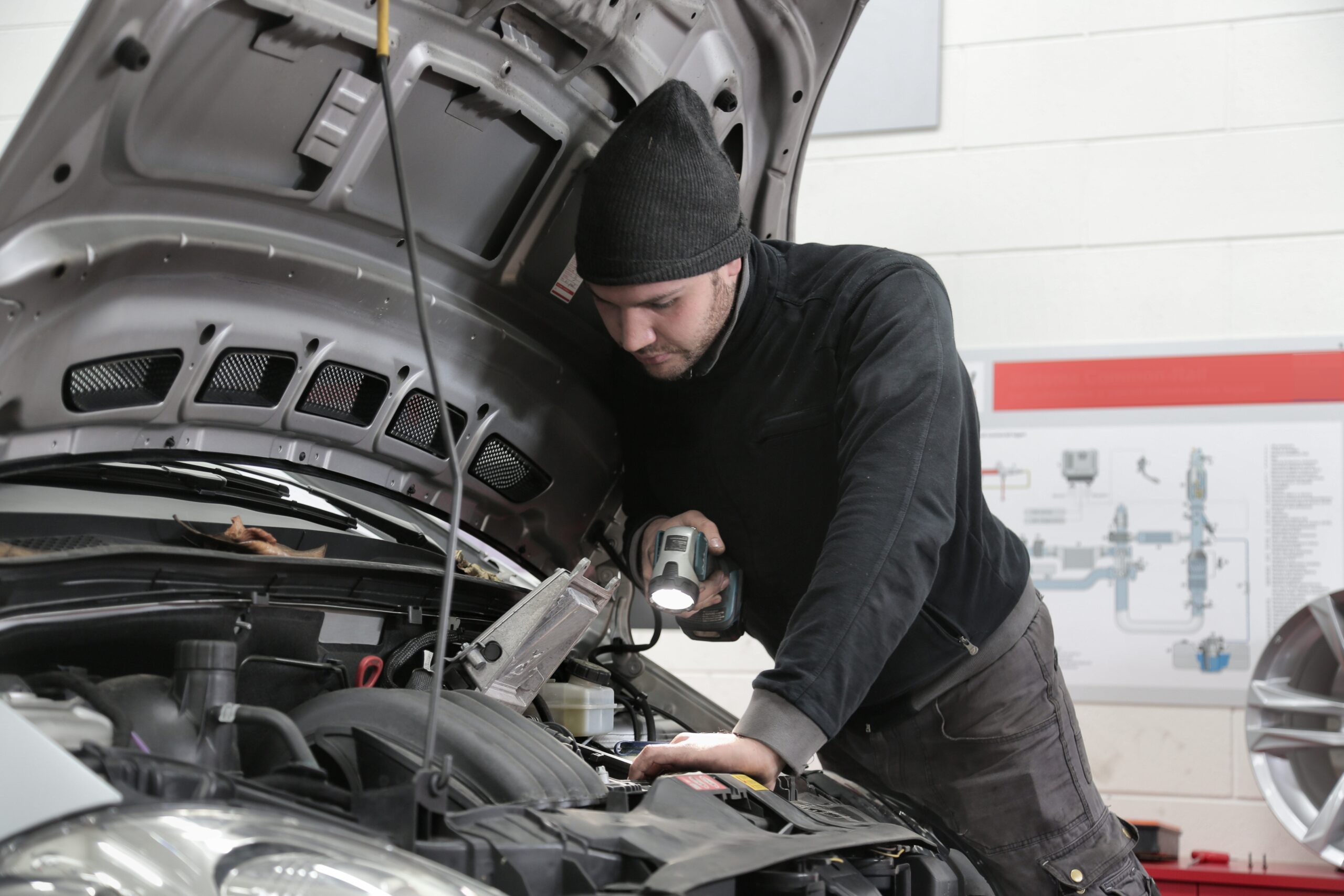
As vehicles age, maintenance shifts from planned to reactive. Common high-cost repairs on aging fleet vehicles include:
- Transmission issues
- Suspension and steering components
- Cooling system failures
- Engine Problems
- Electrical problems
What makes this stage expensive isn’t just the repair cost, it’s the unpredictable. A vehicle that breaks down unexpectedly can miss job sites, delay service calls, force you to use rentals or disrupt your team’s schedules. Which therefore loses revenue for you.
Vehicle Age: Reliability Declines, Risk Increases
Age impacts fleet vehicles even when mileage seems “reasonable.” As vehicles get older:
- Technology becomes outdated
- Safety features lag behind newer models
- Parts availability may decrease
- Manufacturer support and warranties expire
Older vehicles also increase compliance and liability risk especially for businesses operating across multiple locations or under strict safety policies. Many fleet managers find that once vehicles reach 6–8 years old, reliability drops significantly even if they’ve been well maintained.
The True Cost of Keeping Vehicles Too Long:
When evaluating whether to keep or replace a fleet vehicle, it’s important to look beyond just “it’s paid off.”
Ask these questions:
- How much downtime has this vehicle had in the last year?
- Are maintenance costs increasing year over year?
- Is this vehicle reliable enough to support growth?
- What is the cost of one missed job or delayed service call?
Often, the hidden costs of downtime, lost productivity, admin time, and emergency repairs are far greater than the visible ones.
Why Many Businesses Replace Vehicles Earlier Than They Used To:
More businesses are rethinking long-term ownership and shifting toward fleet leasing strategies because leasing allows them to:
- Replace vehicles before costs spike
- Lock in predictable monthly expenses
- Avoid major repair surprises
- Keep fleets modern, safe, and reliable
Instead of asking, “How long can we keep this vehicle?” The better question is, “When does it stop making financial sense?”
As mileage, maintenance, and age rise together, costs don’t just increase, they accelerate. The most cost-efficient fleets aren’t the ones that keep vehicles the longest, but the ones that replace them at the right time.
If your vehicles are racking up miles, repairs, and years, it’s worth asking: are you saving money or quietly losing it?
____________________________________________________________________
For more information follow our socials or contact us! Fill out a form to contact us directly! Click Here Follow us on LinkedIn to see updates or more blogs!